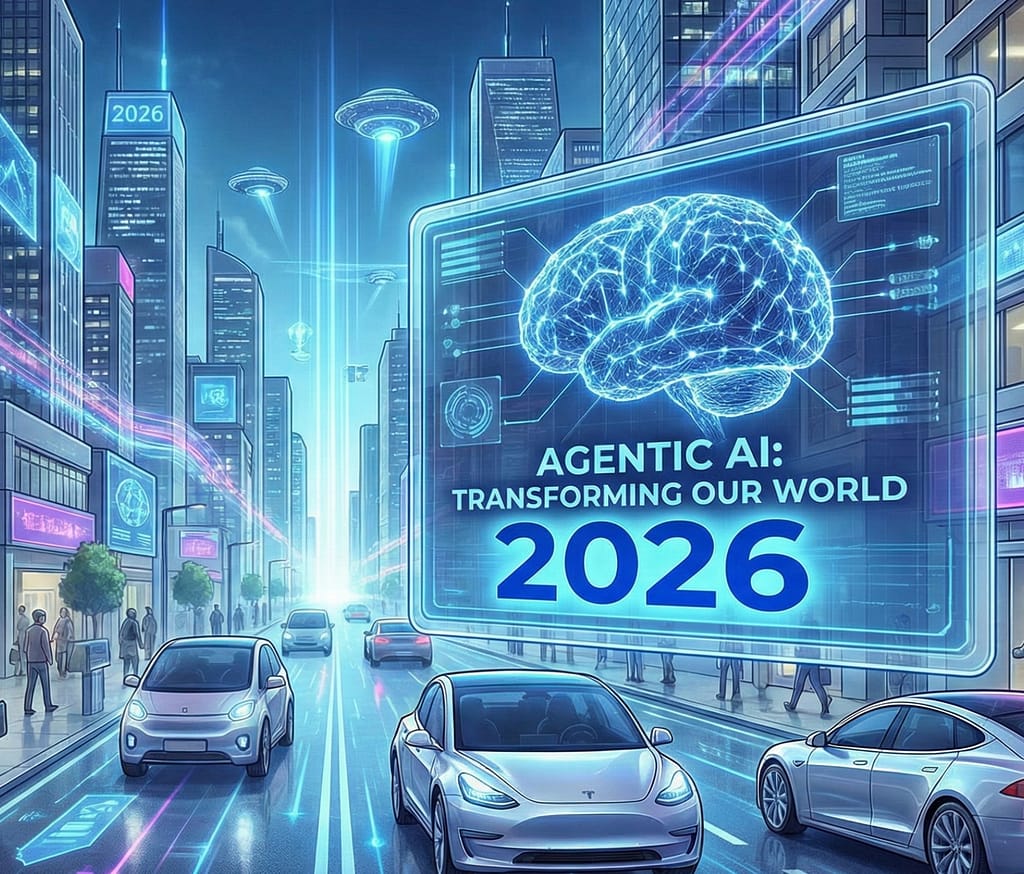

Artificial Intelligence (AI) is no longer a futuristic concept confined to science fiction. In 2026, AI has become one of the most powerful forces shaping the global digital ecosystem. From smartphones and search engines to healthcare systems and cybersecurity networks, AI is deeply integrated into our daily lives.
The rapid evolution of machine learning models, automation systems, and generative AI tools has redefined how businesses operate, how individuals work, and how technology interacts with humans. This article explores how AI is transforming industries, influencing global markets, and shaping the future of technology.
Understanding Artificial Intelligence in 2026
Artificial Intelligence refers to computer systems that can perform tasks typically requiring human intelligence. These tasks include learning from data, recognizing patterns, making decisions, understanding language, and even generating content.
In 2026, AI systems are more advanced than ever because of:
- Increased computing power
- Massive datasets
- Advanced neural network architectures
- Cloud-based AI infrastructure
- On-device AI chips
Modern AI is no longer limited to basic automation. It can analyze complex data, predict trends, generate creative outputs, and assist in decision-making processes at scale.
AI in Everyday Technology
1. AI-Powered Smartphones
Smartphones have become AI-driven personal assistants. Advanced AI chips embedded in devices now allow:
- Real-time language translation
- Enhanced image processing
- Face recognition security
- Battery optimization
- Personalized app suggestions
AI improves camera quality by automatically adjusting lighting, detecting scenes, and enhancing low-light photography. Voice assistants are smarter and more context-aware than previous generations.
2. Smarter Search Engines
Search engines in 2026 are no longer keyword-based tools. AI now delivers conversational responses and summarized results.
Instead of searching multiple links, users receive:
- Direct, contextual answers
- AI-generated summaries
- Visual explanations
- Personalized recommendations
This shift has significantly changed how people consume online information.
Generative AI: A Digital Revolution
Generative AI is one of the most powerful breakthroughs of this decade. These systems can create:
- Articles
- Videos
- Music
- Images
- Software code
Businesses now use generative AI to streamline operations, automate marketing content, and enhance productivity.
However, this advancement also raises ethical concerns regarding originality, misinformation, and content authenticity. As a result, industries are developing guidelines to regulate AI-generated materials.
AI in Cybersecurity
Cyber threats have become more complex in 2026. Hackers use automation and advanced tools to attack systems. To counter this, companies rely on AI-driven cybersecurity systems.
AI enhances security by:
- Detecting suspicious behavior patterns
- Identifying malware in real time
- Predicting cyber attacks before they occur
- Automating security responses
Financial institutions and government agencies heavily depend on AI-based monitoring systems to protect sensitive data.
AI in Healthcare and Medicine
The healthcare sector has experienced massive transformation through AI integration.
AI in Medical Imaging
AI algorithms analyze X-rays, MRIs, and CT scans with remarkable accuracy. They can detect early signs of diseases such as:
- Cancer
- Heart conditions
- Neurological disorders
Predictive Analytics in Hospitals
Hospitals now use AI to predict patient outcomes and optimize treatment plans. AI systems analyze patient data to recommend personalized treatment strategies.
Drug Discovery Acceleration
AI reduces drug discovery time by analyzing chemical compounds and predicting their effectiveness. What once took years can now be done in months.
AI in Education
Education technology has embraced AI to create personalized learning experiences.
AI-powered platforms can:
- Identify student strengths and weaknesses
- Adjust learning speed automatically
- Provide instant feedback
- Recommend study materials
Virtual tutors powered by AI help students understand complex topics with interactive explanations.
This makes learning more accessible and efficient worldwide.
AI and the Job Market
One of the most discussed topics is whether AI will replace jobs.
Automation of Repetitive Tasks
AI is replacing repetitive and data-heavy tasks such as:
- Data entry
- Customer support chat handling
- Basic content drafting
- Manufacturing monitoring
Creation of New Job Opportunities
At the same time, AI has created demand for new roles like:
- AI engineers
- Machine learning specialists
- Data scientists
- Prompt engineers
- AI ethics consultants
The future job market requires digital skills and adaptability.
AI in Finance and Banking
Financial institutions rely on AI for:
- Fraud detection
- Risk analysis
- Automated trading
- Customer behavior analysis
AI systems analyze large financial datasets in seconds, making decision-making faster and more accurate.
Chatbots and virtual assistants now handle customer queries efficiently, improving banking experiences.
Ethical Concerns and AI Regulation
With great power comes great responsibility.
AI systems can sometimes:
- Generate biased outputs
- Spread misinformation
- Violate privacy rights
- Create deepfake content
Governments and tech companies are working on regulations to ensure responsible AI use. Transparency, accountability, and ethical AI frameworks are becoming mandatory.
AI in Smart Cities
Smart cities in 2026 use AI for:
- Traffic management
- Energy optimization
- Waste management
- Public safety monitoring
AI-powered traffic systems reduce congestion by adjusting signal timing in real time. Smart grids optimize electricity consumption based on usage patterns.
This leads to more sustainable urban environments.
The Role of AI in Climate Solutions
AI contributes to environmental sustainability by:
- Monitoring deforestation
- Predicting climate patterns
- Optimizing renewable energy production
- Tracking carbon emissions
Researchers use AI to model climate change scenarios and develop prevention strategies.
AI and Content Creation
Content creation has transformed drastically. Bloggers, marketers, and businesses use AI tools for:
- Drafting articles
- Generating social media captions
- Creating video scripts
- Designing graphics
However, original human creativity still plays a critical role in adding authenticity and emotional depth.
The Future of Artificial Intelligence
Looking ahead, AI development will likely focus on:
- Improved reasoning capabilities
- Better contextual understanding
- Emotional intelligence simulation
- Stronger data privacy protection
Experts predict AI-human collaboration will define the next decade rather than complete automation.
Conclusion
Artificial Intelligence in 2026 is not just an innovation — it is a foundational technology shaping the digital era. From healthcare and education to cybersecurity and finance, AI has become deeply integrated into global systems.
While challenges such as ethical concerns and job displacement exist, the overall impact of AI remains transformative and positive. The key to success in this evolving digital landscape is adaptation, continuous learning, and responsible AI implementation.
Digital Technologia aims to bring you the latest insights and updates on emerging technologies shaping our world. Stay connected for more in-depth technology coverage.